
Waterproofing Inspection Checklist for New Homes: A Complete Guide
When you move into a new home, you expect fresh walls, modern fixtures, and a dry, leak‑free interior. Yet many new‑build buyers discover water stains, damp patches, mould, or even structural damage within the first few years — all because proper waterproofing inspections were skipped or rushed.
A waterproofing inspection checklist for new homes is not just a “nice‑to‑have”; it’s a critical step before you sign Final Inspection or occupy the property. This comprehensive guide walks you through:
- Why waterproofing matters in new‑home construction
- Key areas to inspect before moving in
- A printable‑style checklist you can use on-site
- Common waterproofing mistakes and how they lead to future damage
By the end of this article, you’ll know exactly what to look for, where to look, and how to avoid costly repairs later.

Why Waterproofing Inspection Is Non‑Negotiable in New Homes?
New homes are built quickly, often under tight timelines and budgets. In such scenarios, attention to detail in damp‑proofing, balcony waterproofing, roof waterproofing, and concealed plumbing can be compromised.
Water damage doesn’t show up immediately. It often begins as:
- Hairline cracks sucking moisture
- Poorly sealed joints letting water seep in
- Inadequate slope or drainage allowing ponding
These issues slowly degrade plaster, concrete, and even steel reinforcement, leading to:
- Efflorescence (white powdery patches on walls)
- Peeling paint and bubbling plaster
- Mould and mildew growth
- Wood rot in doors, frames, and furniture
- Structural weakening of slabs and foundations
A systematic waterproofing inspection checklist helps you catch these problems before painting, flooring, or furniture installation, saving tens of thousands in future repairs.
When to Perform a Waterproofing Inspection?
For a new home, the ideal timing is:
- After the civil work is complete but before final painting and flooring
- After the first monsoon post‑completion (if possible)
- Before the final handover from the builder or contractor
At this stage, you can:
- Wash all surfaces and check for seepage, dampness, or stained areas
- Inspect roof terrace, balconies, bathrooms, and basement in dry conditions
- Verify that all waterproofing layers, coatings, and membranes are intact
Waterproofing Inspection Checklist for New Homes (Print‑Ready Style)
Use this as your on‑site checklist. Tick each item as you visually inspect or test it.
1. Roof and Terrace Waterproofing
The roof is the first line of defense against water. Even a small leak here can travel inside walls and ceilings, causing big damage over time.
✅ Confirm slope and drainage
- Roof/terrace should have a minimum 1:60 slope toward drain points.
- Check that water doesn’t pond anywhere after spraying or rain.
✅ Inspect cracks and joints
- Run your hand along the slab; look for hairline or visible cracks.
- Check expansion/contraction joints near edges and walls.
✅ Check waterproofing layer
- Ensure a proper waterproofing membrane or coating (cementitious, bituminous, or liquid‑applied) is applied.
- Verify that the membrane is continuous, without tears, bubbles, or exposed substrate.
✅ Gutters and downspouts
- Clear gutters of debris.
- Check that downspouts direct water away from the building, not close to the foundation.
✅ Parapet walls and coping
- Ensure parapet tops have a slope or coping to throw off water.
- Verify that the top edge is sealed and not allowing water to seep into the wall.
2. Balcony and Verandah Waterproofing
Balconies are exposed to rain year‑round and often see pooling water if the slope is poor.
✅ Slope and drainage
- Water should flow toward the drain, not toward the wall.
- Check that drain grills are not blocked and allow free flow.
✅ Wall‑floor junctions
- The joint between the balcony wall and floor is a common leak point.
- Inspect for cracks, gaps, or unsealed joints.
✅ External stone or tile work
- If tiles are fixed with cement, ensure no hollow or loose tiles (tap test).
- Check grout lines for cracking or missing filler.
✅ Waterproofing treatment
- Preferably, a waterproofing layer below the final finishing.
- Ensure no gaps or missed spots around pipes, drains, and corners.
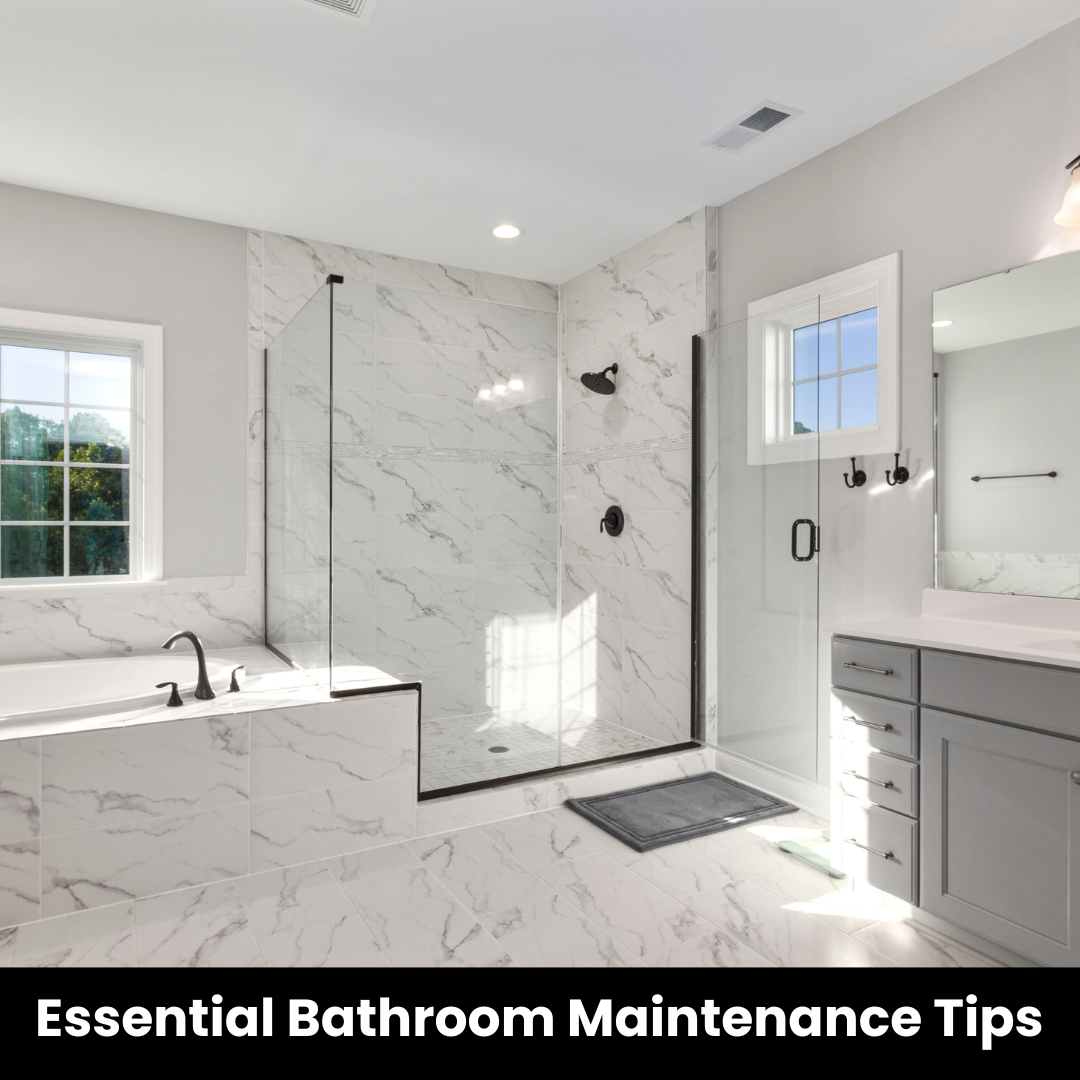
3. Bathroom and Wet Area Waterproofing
Bathrooms and kitchens are the most vulnerable areas in new homes. Even a small leak here can damage lower‑floor ceilings, walls, and furniture.
✅ Shower and bath area sealing
- Around showers, bathtubs, and floor drains, there should be a dedicated waterproofing layer.
- Check that ceramic tiles are properly grouted and no gaps are visible.
✅ Corners and wall‑floor junctions
- Inspect corners for cracks or missing sealant.
- Ensure elastomeric sealant or waterproofing membrane is applied at the base of the wall.
✅ Pipes and fixtures
- Check around waste pipes, taps, and showerheads for any damp marks or staining.
- Ensure pipe joints are sealed and not loose.
✅ Wall‑side waterproofing height
- As per standard practice, waterproofing should extend at least 1.5 meters above the floor in wet areas.
- In frequent‑use showers, it should cover up to ceiling level in the shower zone.
✅ Leak test
- Fill the bath area with water or run water in the shower for 15–20 minutes.
- Check the underside of the slab or adjacent rooms for any dampness or drips.
4. Kitchen and Utility Area
Even though kitchens are not “fully wet,” splashes, leaks under sinks, and washing machines make them risky.
✅ Under‑sink and washing machine area
- Look for any stained or blistered wood/ply in cabinets.
- Check that pipes under the sink are sealed and there’s no visible dampness.
✅ Drain and floor slope
- Ensure floor drains are present where required.
- Water should flow toward the drain, not toward the wall.
✅ Wall‑floor junction
- Check for cracks or gaps between the floor and wall.
- If it’s a ground floor, ensure damp‑proof course (DPC) is present.

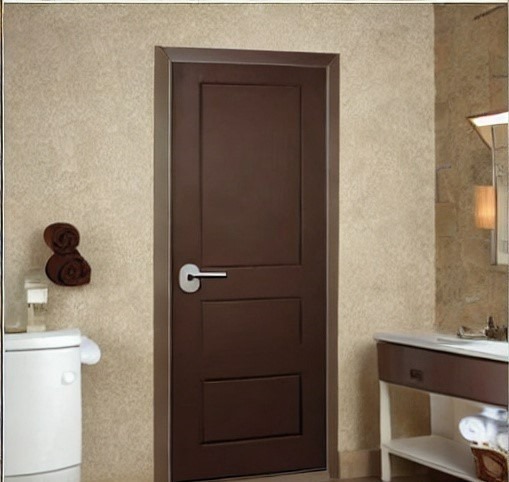
5. Windows, Doors, and External Openings
Even small gaps around windows and doors can let in driving rain and humidity, especially in coastal or high‑rainfall areas.
✅ Glazing and frames
- Check that glass panes are properly seated and gap‑filled.
- Inspect frames for misalignment or gaps.
✅ External sealant
- Around window and door frames, there should be silicon or polyurethane sealant.
- Check that the sealant is continuous, not cracked, and not dried out.
✅ Thresholds and sills
- Check that external window sills slope outward so water runs away, not inside.
- Interior thresholds should be properly sealed to prevent water seepage.
✅ Rainwater test (optional)
- Gently spray water from outside the window and check inside for any seepage or damp marks.
6. External Walls and Facade
Rainwater doesn’t just fall on the roof; it also runs along external walls. Poorly finished walls can lead to rising damp or internal seepage.
✅ Surface finish and cracks
- Inspect external walls for cracks, peeling paint, or efflorescence (white salt deposits).
- Cracks should be filled and sealed before final painting.
✅ Horizontal joints and lintels
- Check lintels, beams, and horizontal joints for any gaps or deteriorated mortar.
- These are common paths for water infiltration.
✅ Surface coating and waterproofing
- External walls may have waterproof paint or acrylic‑based coatings.
- Ensure the coating is uniform, without bare patches.
✅ Ground level and grade
- Ensure the external ground level near the wall is lower than the internal floor level.
- Check that water drains away from the wall, not pooling close to it.
7. Basement, Parking, and Ground Floor
If your new home has a basement or ground‑floor parking, waterproofing here is critical. Ground‑water pressure can force water through cracks and joints.
✅ Walls and floor
- Check for cracks, damp patches, or white efflorescence on walls and floors.
- Ensure membrane or tanking is applied as per design.
✅ Drainage and sump pits
- Confirm that sump pits and drainage channels are present and connected.
- Test pumps (if any) to ensure they activate and remove water efficiently.
✅ Joint and expansion strips
- Inspect construction joints, expansion strips, and pipe penetrations for proper sealing.
✅ Waterproofing certification
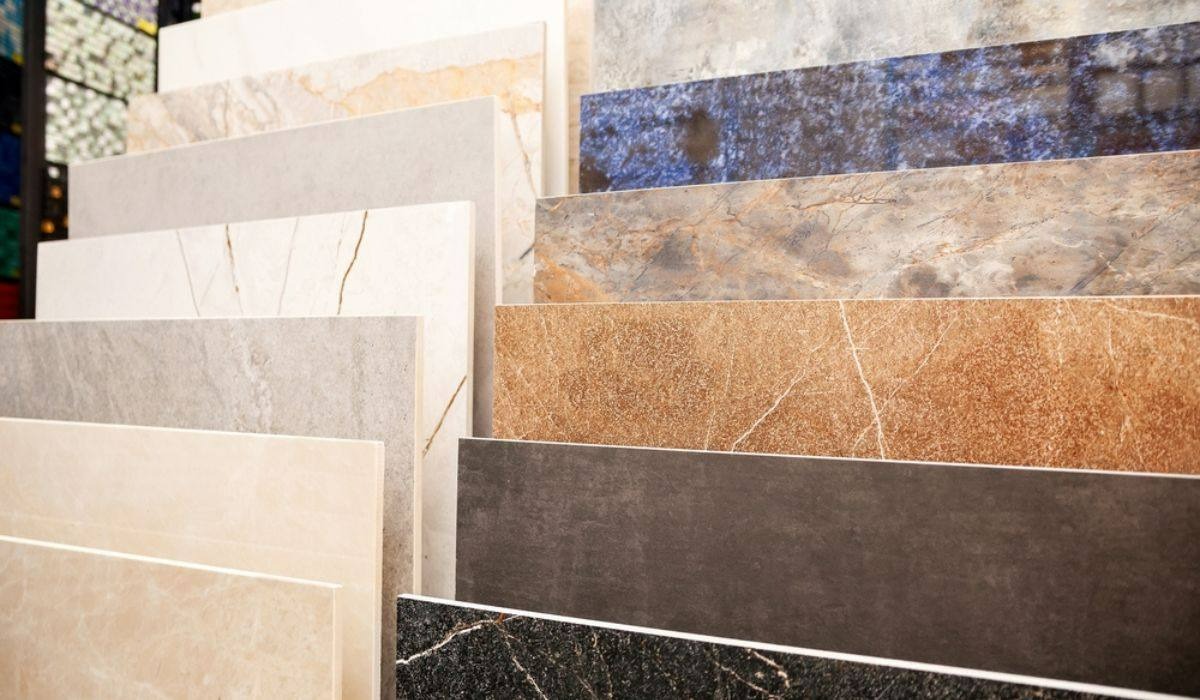
- If the contractor used specialized waterproofing (e.g., bituminous, polymer‑modified), ask for material data sheets and inspection reports.
8. Plumbing and Internal Pipes
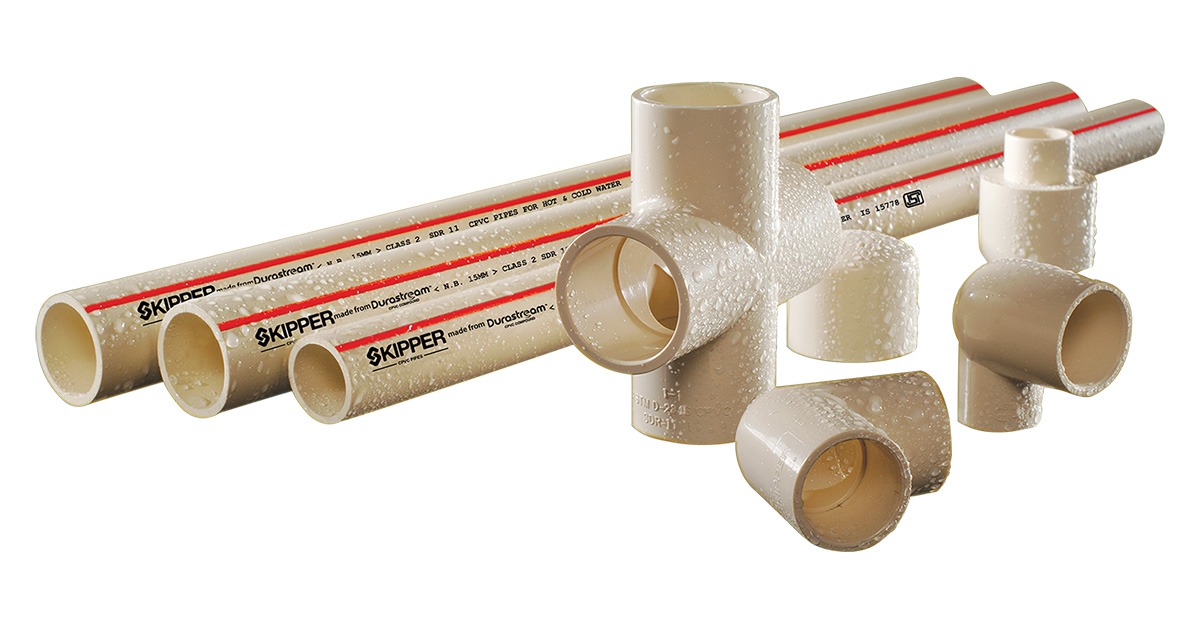
Concealed plumbing is common in new homes, but hidden leaks can cause massive damage over time.
✅ Visible pipe joints
- Check visible pipes under sinks, in utility areas, and near bathrooms for any dampness or greenish rust.
- Ensure joints are tightly sealed.
✅ No signs of stains
- Look for yellow‑brown or green stains on walls, ceilings, or near pipe routes.
- These are often early signs of leak or condensation issues.
✅ Water pressure test
- Ask the builder or plumber to run a basic water pressure test in all lines.
- Check for any drops in pressure or leaks at joints.
9. Common Waterproofing Mistakes to Avoid
Many new‑home waterproofing failures result from repeatable mistakes rather than bad intent. Knowing these helps you spot red flags early.
| Mistake | Why It’s a Problem | How to Avoid |
|---|---|---|
| Poor surface preparation | Dirt, loose particles, or dust prevent proper adhesion of waterproofing layers. | Clean, level, and dry all surfaces before applying any coating. blutecwaterproofing+1 |
| Skipping primer or bonding coat | Without primer, waterproofing may peel off over time. | Always apply manufacturer‑recommended primer or bonding coat. |
| Cracks not repaired before waterproofing | New cracks will reopen and let water through. | Fill all cracks with suitable repair mortar before waterproofing. blutecwaterproofing+1 |
| Incorrect thickness of waterproofing | Too thin = no protection; too thick = cracking and pooling. | Follow the manufacturer’s DFT (Dry Film Thickness) instructions. |
| Ignoring joints, penetrations, and corners | Pipes, drains, and corners are weak points. | Use elastomeric sealants, tapes, or membranes at all joints. blutecwaterproofing+1 |
| Using wrong waterproofing material | Applying the wrong product for roofs, bathrooms, or basements reduces effectiveness. | Match material type to the location (e.g., cementitious for basements, liquid membrane for terraces). aashiyana.tatasteel+1 |
| Poor slope or drainage | Ponded water breaks down any waterproofing layer over time. | Design and maintain proper slope and free‑flow drainage. asianpaints+1 |
10. How to Document Your Waterproofing Inspection
After you’ve completed the walkthrough, document your findings immediately. This helps you:
- Raise issues with the builder or contractor
- Track repairs and re‑inspection
- Maintain a record for future reference
Here’s a simple format you can use:
- Area inspected (e.g., Roof, Bathroom 1, External front wall)
- Observation (e.g., “Hairline crack along terrace edge”, “Damp patch near kitchen drain”)
- Action required (e.g., “Crack to be grooved and filled”, “Waterproofing layer to be reapplied”)
- Status (Open / In progress / Closed)
Attach photos where possible — they are powerful proof and help avoid disputes later.
Final Tips for Buyers of New Homes
To maximize the benefit of your waterproofing inspection checklist for new homes, follow these final tips:
-
Don’t rush the inspection
-
Take your time; walk the entire house slowly, both inside and outside.
-
Return on a dry day after a light rain if possible.
-
-
Inspect after the first monsoon (if you can delay)
-
Even a small rain test can reveal hidden leaks that are invisible in dry conditions.
-
-
Carry a few simple tools
-
Flashlight, mobile phone with camera, pen, checklist printout, and a small bucket for water tests.
-
-
Engage a professional if needed
-
For complex issues (basement water, multiple damp spots, or structural concerns), bring in a qualified structural engineer or waterproofing consultant.
-
-
Get everything in writing
-
Before signing final handover, ensure the builder accepts and commits to fixing all identified waterproofing issues.
-
Conclusion: Waterproofing Is Not Optional — It’s Structural
A new home is a long‑term investment, and waterproofing is part of its structural health, not just an aesthetic detail. Using this Waterproofing Inspection Checklist for New Homes helps you:
- Catch hidden defects early
- Avoid costly repairs and mould‑related health issues
- Ensure your home stays dry, safe, and valuable for decades
If you’re planning to buy a new home soon, download or print this checklist, step through each section, and insist that every issue is addressed before you occupy the property. That small effort today can save you years of stress and lakhs in repairs tomorrow.
Frequently Asked Questions (FAQs)
1. Why is waterproofing inspection important for new homes?
Waterproofing inspection is critical because most water damage in new homes starts from hidden defects like cracks, poor joints, or inadequate drainage. Catching these issues early — before painting, flooring, or occupation — prevents leaks, mould, structural damage, and costly repairs later. A proper waterproofing inspection checklist helps you verify that all high‑risk areas (roof, bathrooms, balconies, basements, etc.) are properly sealed and protected.
2. When should I inspect waterproofing in a new home?
Ideally, you should inspect waterproofing:
- After the civil work is complete but before final painting and flooring.
- After the first monsoon or a water test, if possible.
- Before the final handover from the builder or contractor.
This timing allows you to identify leaks, dampness, or poor workmanship while they are still easy and inexpensive to fix.
3. What are the most common areas to check for waterproofing defects?
Key areas to inspect include:
- Roof and terrace (slope, cracks, drainage, waterproofing layer)
- Balconies and verandahs (slope to drain, joints, sealant)
- Bathrooms and wet areas (shower, floor‑wall junctions, pipe joints)
- Kitchen and utility areas (under‑sink, washing machine area, floor slope)
- Windows, doors, and external openings (sealant, frame gaps, sills)
- External walls and facade (cracks, efflorescence, surface coating)
- Basement, parking, and ground floor (dampness, cracks, sump, membranes)
Each of these areas has unique failure points, so a detailed waterproofing inspection checklist is essential.
4. What are the common waterproofing mistakes in new homes?
Common mistakes that lead to leaks and dampness include:
- Poor surface preparation before applying waterproofing.
- Skipping primer or bonding coat.
- Not repairing cracks before waterproofing.
- Applying waterproofing too thin or too thick.
- Ignoring joints, pipe penetrations, and corners.
- Using the wrong material for the location (e.g., using terrace‑grade product on basements).
- Poor slope or clogged drains causing water ponding.
These issues often show up months or years later as stains, peeling plaster, or mould growth.
5. How can I test if the waterproofing is working properly?
You can perform simple water‑based tests:
- Terrace and balcony: Spray water or let it flow for 15–20 minutes and check for ponding or leaks below.
- Bathroom and shower area: Run water in the shower or fill the bath and inspect the underside of the slab or adjacent rooms for dampness.
- Windows and doors: Gently spray water from outside and check for any seepage inside.
If you notice any damp patches, stains, or drips, the waterproofing needs correction before final handover.
6. Do I need a professional for waterproofing inspection?
For a basic visual check, you can follow a waterproofing inspection checklist yourself. However, if you see:
- Multiple damp patches or cracks
- Signs of efflorescence or mould
- Structural‑grade waterproofing (like basements, large roofs, or tanks)
then it’s wise to hire a qualified structural engineer or waterproofing consultant. Professionals use moisture meters, leak‑detection tools, and material testing to ensure long‑term protection.
7. What documents should I ask for after waterproofing inspection?
After inspection, ask the builder or contractor for:
- Waterproofing material data sheets (brand, type, thickness, application method).
- Inspection reports or photos of critical areas (roof, basement, bathrooms).
- A signed list of defects and agreed‑upon repair timelines.
Keeping these documents helps you track repairs and holds the contractor accountable if issues reappear later.
8. How do I document waterproofing issues in my new home?
Create a simple tracking sheet with:
- Area inspected (e.g., Roof, Bathroom 1, External wall).
- Observation (e.g., “Hairline crack along terrace edge”, “Damp patch near kitchen drain”).
- Action required (e.g., “Crack to be grooved and filled”, “Waterproofing layer to be reapplied”).
- Status (Open / In progress / Closed).
Attach photos of each issue and update the sheet as repairs are completed. This becomes your proof and reference for future owners.
9. Can waterproofing be fixed after the house is fully finished?
Yes, waterproofing can be repaired even after painting and flooring, but it becomes more expensive and invasive. You may need to:
- Remove tiles or flooring in wet areas.
- Scrape and re‑prepare the surface.
- Re‑apply waterproofing and re‑tile.
That’s why it’s best to catch and fix waterproofing issues before final finishes and occupancy.
10. How often should I recheck waterproofing in my new home?
It’s wise to do a visual re‑inspection annually, especially:
- After the first monsoon.
- If you notice any new stains, dampness, or peeling paint.
Periodic checks help you catch early signs of damage and schedule small repairs before they turn into major leaks.