

10 Reasons Smart Touch Switches Are the Future of Homes in India
Top 10 Benefits of Upgrading to Smart Touch Switches in Your Home
As Indian homes become smarter, more connected, and more energy‑conscious, smart touch switches are quickly replacing traditional toggles and rocker switches. These sleek, app‑connected panels are not just “fancy gadgets”; they are reshaping how families control lights, fans, geysers, air conditioners, and even security devices from a single, elegant touch panel or from a smartphone halfway across the city.
In this blog, we explore 10 practical reasons why smart touch switches are the future of homes in India, how they fit into Indian power, wiring, and lifestyle realities, and what this means for comfort, safety, and energy bills.
1. Sleek, Modern Aesthetic That Elevates Interiors
Traditional switchboards with plastic toggles look dated next to modern modular kitchens, designer interiors, and glass balconies. Smart touch switches offer:
- Full‑glass or touch panels that match wallpapers, tiles, and furniture tones.
- Minimalist layouts that hide wiring and multiple switches behind a single smooth surface.
- Customizable button icons and back‑lighting so each switch is clearly labeled (Fan, Light, AC, Geyser).
For Indian homeowners investing in 2BHKs, 3BHKs, villas, and farmhouse interiors, smart touch switches act as a small but high‑impact design upgrade that makes every wall look “completed” and upscale.
2. One‑Touch Control for Multiple Lights and Fans
In Indian homes, it’s common to have:
- Multiple lights and fans per room.
- Different areas (drawing, dining, balcony, kitchen) needing separate switches.
Smart touch switches solve this with group control or “scenes”:
- A single button can switch on ceiling light + wall lights + fan + AC in a “Live‑Room” mode.
- A “Good Night” touch automatically turns off all lights, fans, TV socket, and AC, locking the room for sleep.
- A “Movie Time” scene can dim lights, switch on the TV socket, and set the right fan‑speed.
This is a huge comfort upgrade for busy professionals, elders, and large joint families where everyone doesn’t want to stand by the switchboard to manage every device.
3. Remote Control from Your Smartphone
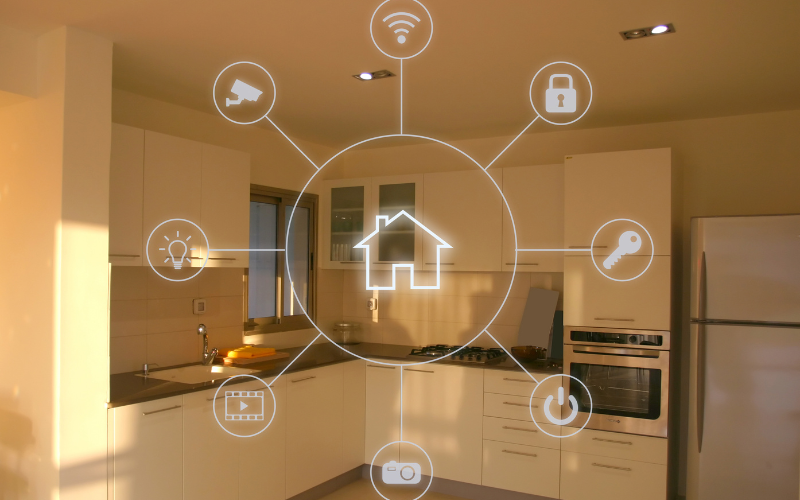
Wi‑Fi‑enabled smart touch switches connect to a mobile app, letting you control your home:
- From the bedroom while you’re in the kitchen.
- From the office or another city when you forget to switch off fans or lights.
- From the car before you reach home, pre‑cooling the bedroom or turning on the geyser.
Many Indian brands now support:
- Google Assistant and Alexa for voice‑based commands.
- Custom schedules and automations (e.g., “Turn off lights at 11 PM daily”).
For nuclear families and elderly‑only homes, this remote control layer reduces the need to walk through dark corridors just to switch off a fan or light.
4. Energy Efficiency and Lower Electricity Bills
Indian homes are conscious of rising power tariffs. Smart touch switches help cut wasted electricity in several ways:
- Real‑time or historical energy usage reports (on supported models) show which devices consume the most.
- Auto‑off timers for lights and fans prevent “forget‑to‑off” scenarios.
- Geofencing or schedule‑based automations ensure ACs, geysers, and tube lights aren’t left running during the day.
Over time, this small change can shave hundreds of rupees per month off an average urban household’s electricity bill, especially in AC‑heavy cities like Delhi, Mumbai, and Hyderabad.
5. Better Safety and Protection for Indian Homes
Indian power grids often face:
- Voltage fluctuations.
- Surge spikes during monsoon.
- Children and curious teenagers touching switches.
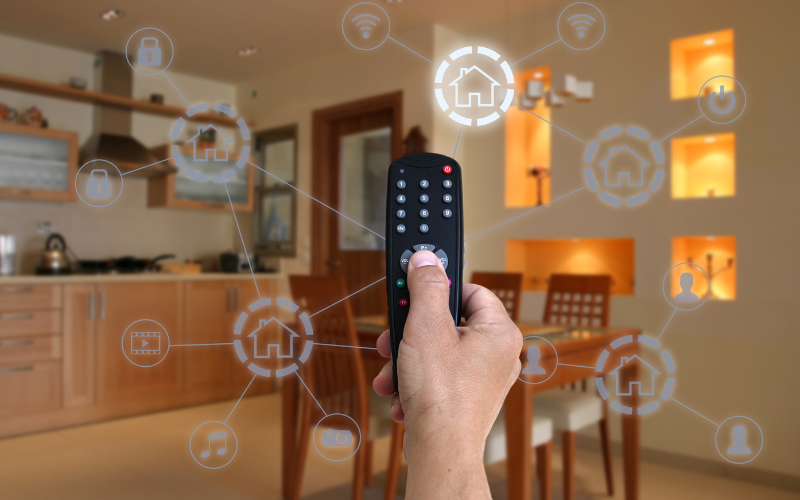
Smart touch switches address these by incorporating:
- Surge‑protection and overload protection circuits.
- Child‑lock features that prevent accidental toggling.
- Remote‑off during power faults or emergencies, reducing short‑circuit and fire risk.
Some systems also allow you to cut all power to a room or an entire home via the app, which is useful during storms or when traveling.
6. Easy Retrofit in Existing and New Indian Homes
Many Indian buyers assume smart switches require full house rewiring or breaking walls. Modern smart touch switches are designed to:
- Fit into standard Indian switchboard boxes (no extra masonry).
- Work with existing wiring in apartments, duplexes, and independent homes.
- Support modular designs (2‑module, 4‑module, 6‑module panels) that can be expanded later.
This “plug‑and‑play”‑style fit makes it easy for:
- New home owners to install smart switches from day one.
- Renovation or pre‑handover projects in gated communities and township homes.
Many brands even offer retrofit‑friendly kits so you don’t need to replace your entire switchboard.
7. Compatibility with Voice Assistants and Ecosystems
Indian homes increasingly use:
- Google Assistant on smart speakers and phones.
- Amazon Alexa‑enabled devices.
- Smart TVs and IoT‑based appliances.
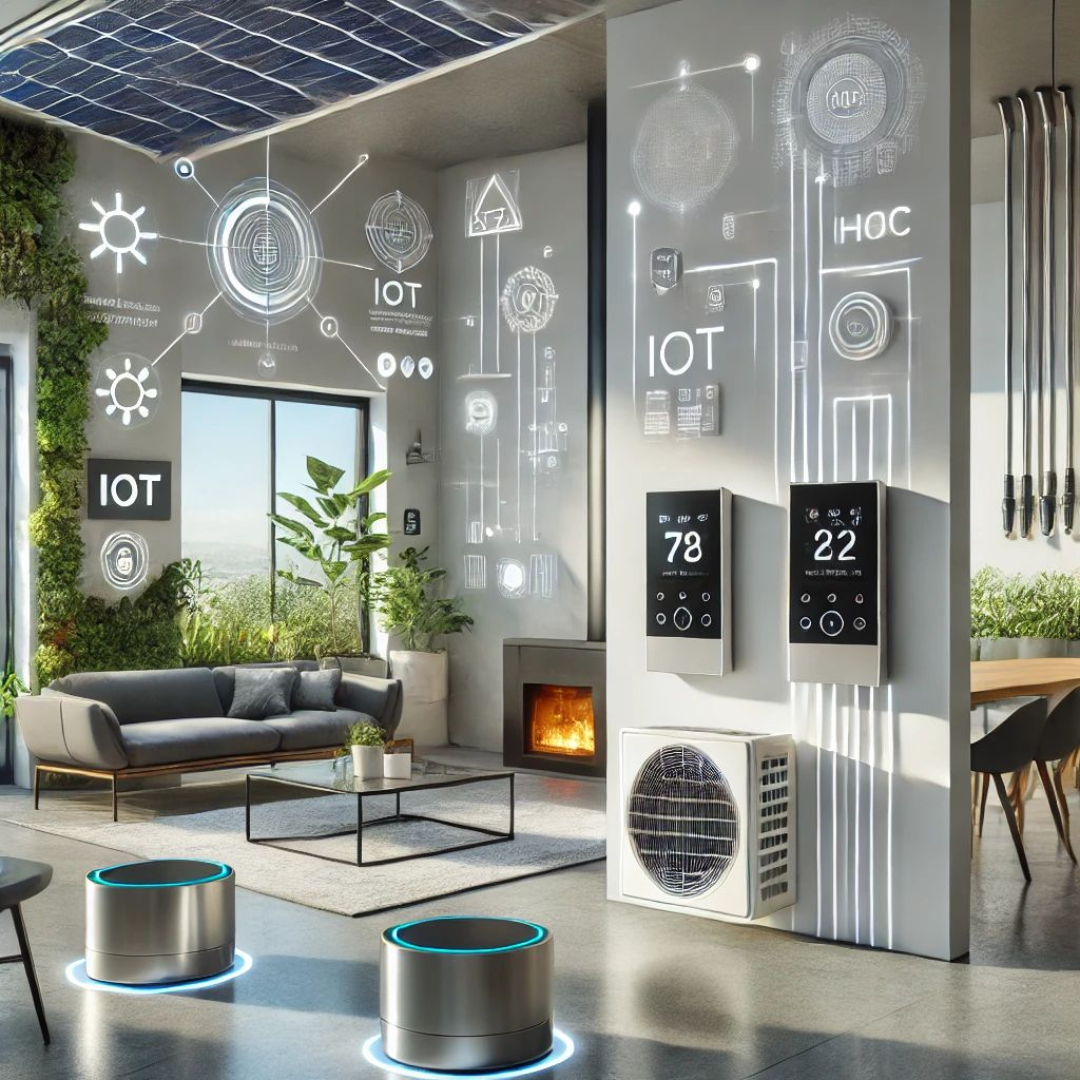
Smart touch switches integrate with these, so you can:
- Say “Hey Google, turn off bedroom lights” or “Alexa, set living room to evening mode”.
- Link switches with lights, fans, ACs, geysers, and socket‑outlets for seamless control.
This ecosystem‑ready approach positions smart touch switches as the “control hub” of a smart home in India, not just a replacement for plastic toggles.
8. Automation and “Smart Scenes” for Daily Life
Smart touch switches allow you to create custom scenes that match Indian lifestyles:
| Scene Name | What It Does |
|---|---|
| Good Morning | Turns on bedroom lights, opens assigned blinds, and starts the fan when you wake up. |
| Work Mode | Switches on study‑light, AC, and lamp while dimming distractions in the room. |
| Dinner Time | Sets warm‑tone lights in the dining area and turns on the exhaust and TV socket. |
| Good Night | Switches off all lights, fans, TV socket, and AC, with a single tap or voice command. |
| Movie Time | Dim lights, switch on TV and sub‑woofer power, and set ceiling‑fan to low speed. |
These scenes are especially useful for joint families, multi‑room apartments, and luxury homes where different members follow different routines.
9. Support for Multiple Users and Multi‑Generational Homes
In Indian households, it’s common to have:
- Children who need simple, intuitive interfaces.
- Elders who prefer physical switches over apps.
- Domestic staff who manage daily operations.
Smart touch switches accommodate this by offering:
- Touch‑based physical panels that feel familiar (like a phone screen).
- Simple app interfaces with clear icons and voice support.
- Limited‑access profiles for helpers, so they can control only assigned lights and sockets.
The combination of physical touch panel + mobile app makes these switches usable for all age groups in the same house.
10. Future‑Proof Technology for Indian Smart Homes
Smart touch switches are not a one‑off upgrade; they lay the foundation for broader home automation:
- They can integrate with smart sensors (motion, door/window, smoke).
- They can link with security cameras, doorbells, and lights for automated responses (e.g., lights turn on when motion is detected).
- They can be part of whole‑home automation systems that grow with your needs.
As Indian middle‑income and premium homes move toward connected living, smart touch switches will become the standard baseline — just like modular kitchens and false ceilings are today.

Quick Comparison: Smart Touch Switches vs Traditional Switches
| Feature | Smart Touch Switch | Traditional Switch |
|---|---|---|
| Aesthetic | Glass / minimalist panel, icon‑based design | Plastic toggles, basic design |
| Control | App + voice + touch scenes | Manual toggle only |
| Safety | Surge‑protection, child‑lock options | Basic protection |
| Energy | Scheduling, auto‑off, usage reports | No monitoring, manual control |
| Installation | Retrofit‑ready in standard boxes | Standard wiring only |
| Scalability | Can be expanded, linked with IoT systems | Stand‑alone, limited to single device |